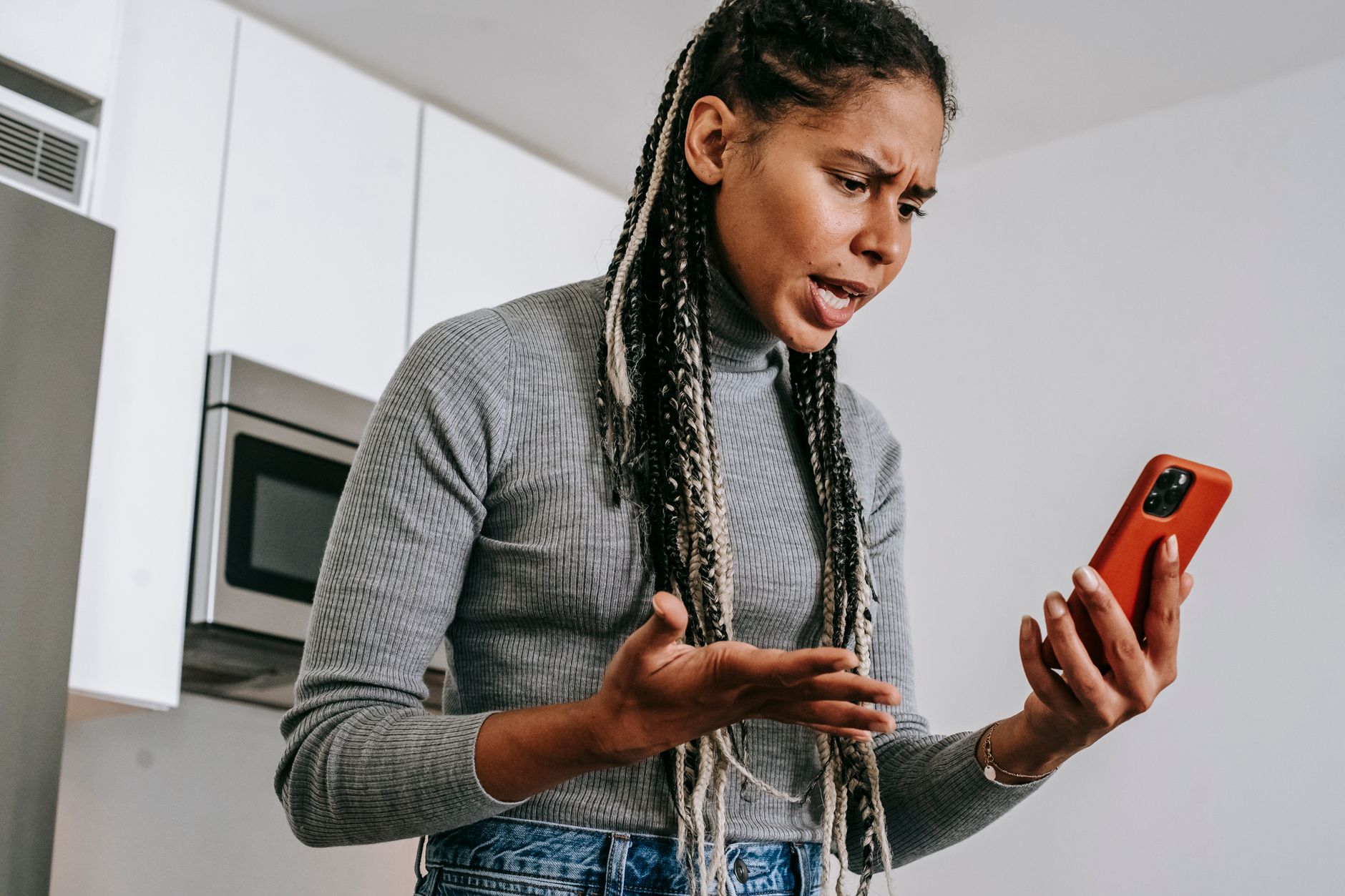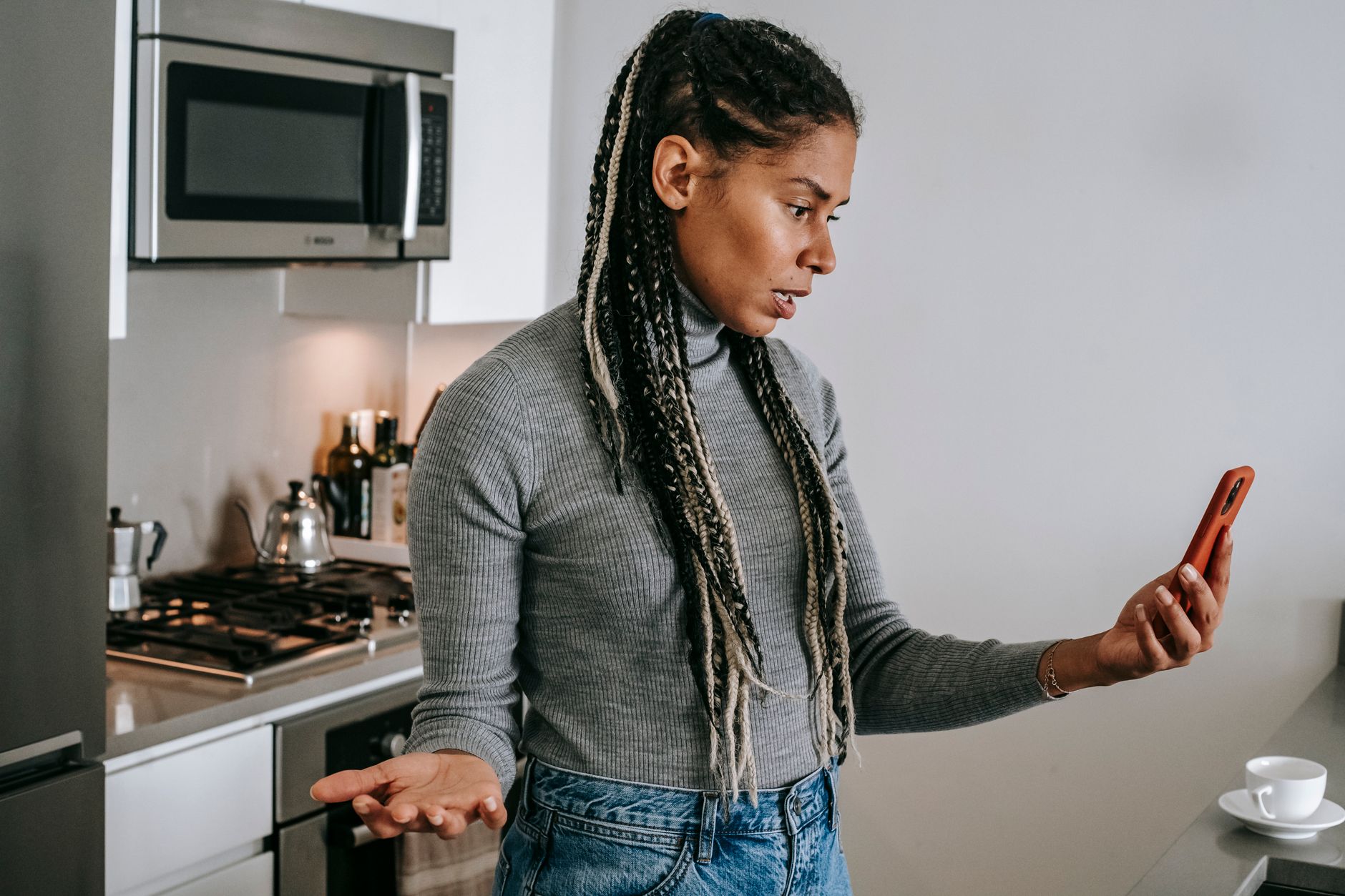
Phishing is a confidence trick delivered through email, text, phone, or social media. The attacker pretends to be a bank, a government office, a coworker, or someone who loves you. The goal is simple. They want your passwords, your one-time codes, your account numbers, or your money. This is not a rare attack. The FBI IC3 received 298,878 phishing and spoofing complaints in 2023. That made it the most reported cybercrime in the United States. Criminals do not need to break encryption or exploit complex code. They only need you to click, call, or type.
AI has changed the math. Large language models can now write flawless English, translate, and mimic a company’s tone. Voice cloning tools can copy a person’s voice from a few seconds of audio. That means scammers no longer send obvious misspellings. They send personalized messages that mention your bank, your employer, and your family. We have covered how these tactics show up in AI romance chatbot scams and crypto AI investment scams. The same FBI data shows $2.9 billion in business email compromise losses in 2023. That number overlaps heavily with phishing attacks.
Phishing is not one attack. It is a family of scams that share a core method. Some attacks are broad and cheap. Others target one person inside a company. This guide compares email phishing, smishing, vishing, spear phishing, and AI-powered phishing. Each section shows how the attack arrives, what it wants, and where it fails. If you use AI tools or receive unsolicited messages about them, read our guide to fake AI tools.
The best defense is not fear. It is verification. Slow down when a message demands speed. Use official numbers from your card or account statement. If you spot a phish, report it to the FTC Report Fraud website. A few minutes of checking can stop a loss that happens in seconds. Phishing succeeds when it rushes you. Learn the patterns so you can pause before you act.
How Do the Top Options Compare?
| Phishing Type | How It Arrives | Main Goal | Typical Red Flag |
|---|---|---|---|
| Email phishing | Fake emails with links or attachments | Steal passwords or install malware | Sender address is slightly off |
| Smishing | Text messages with urgent links | Capture login codes or payment cards | Short link hides true destination |
| Vishing | Phone calls or voicemail | Pressure you to move money or reveal codes | Caller ID is spoofed |
| Spear phishing | Personalized email or messages | Target specific person for large payout | Uses names, projects, or coworkers |
| AI-powered phishing | Voice clones, deepfakes, or AI-written messages | Bypass human suspicion with familiar voice | Unusual request for speed or secrecy |
The red flags above are starting points. Criminals now use AI to write cleaner emails and mimic real voices, so verify before you act.
1. Email Phishing , A mass attack that impersonates trusted brands

Email phishing is the classic version. An attacker sends a message that looks like it comes from a bank, a shipping company, Microsoft, or your HR department. The email warns of a locked account, a failed delivery, or unusual activity. It asks you to click a link. The link leads to a fake login page. When you type your password, the attacker captures it. Sometimes the email carries an attachment disguised as an invoice or voicemail file. Opening that attachment can install malware that records every key you press.
These attacks are cheap to run at scale. A criminal can send thousands of messages in one afternoon. Most people ignore them. A small fraction click. That is enough. The FBI reports phishing is still the most common cybercrime. The true number is likely far higher because many people never file a report.
At work, fake emails often pretend to be the IT help desk. They ask you to re-enter your password on a google form or a lookalike domain. Some use AI to write clean copy and remove grammar mistakes. Our guide to AI job scams shows how fake recruiters use similar tactics to collect personal data. Always check the sender domain. Not the display name. The display name can say anything. The actual address tells the truth.
A common sign is urgency. The email says your account will close in 24 hours. Another sign is a link that does not match the company’s real website. Hover over it on a computer. If the address looks wrong, do not click. Go directly to the website by typing the address or opening the app. Forward suspicious emails to your company’s security team. Then delete the message.
Key strengths:
- ✅ Mimics brands you already trust
- ✅ Costs almost nothing to send at massive scale
- ✅ Captures passwords through believable fake login pages
- ✅ Can hide malware inside common attachments
- ❌ Sender domains are never exact when inspected carefully
- ❌ Mass mailings often use generic greetings and repeated templates
- ❌ Spelling or layout errors still appear in many samples
Who it’s for: People who check email quickly and reuse passwords across accounts.
2. Smishing , Reaching you on your phone outside work hours
Smishing is phishing through SMS or messaging apps. A text claims to be from your bank, a delivery service, or a government agency. It includes a short link. The link often uses a URL shortener, so you cannot see the real destination. The message says a package is stuck, a payment failed, or a suspicious login was blocked. If you tap, you land on a page that asks for card numbers or login credentials.
Smishing works because people trust text messages more than email. Your phone is personal. You may open texts immediately and reply without thinking. Many smishing texts pretend to be from the U.S. Postal Service or a major courier. They claim you owe a small redelivery fee. That fee is the hook. Once you enter your card, criminals can drain your account. The Federal Trade Commission warns consumers not to click links in unexpected text messages.
Some smishing campaigns do not ask for money directly. They ask you to confirm your mobile number or type a one-time code. That code may be the second step of a login the attacker already started. If you share it, they can reset your password and lock you out. This is why banks and phone carriers repeat the same warning. Never share a verification code with anyone.
To verify a delivery text, go to the retailer’s official app or website. Do not tap the link. Call the number on the back of your card. If you never signed up for text alerts, ignore the message. And remember that no government agency will demand payment by gift card through text. These attacks rely on speed. Slowing down is a free defense.
Key strengths:
- ✅ Uses a channel you carry with you all day
- ✅ Short links hide the true destination
- ✅ Pretends to be urgent package or payment alerts
- ❌ You can verify by opening the official app instead
- ❌ Messages from unknown six-digit numbers are easy to ignore
- ❌ URL shorteners can be expanded with preview tools
Who it’s for: People who shop online, check texts immediately, or manage accounts on a phone.
3. Vishing , Building pressure through a live voice
Vishing uses phone calls or voicemail. A live caller may claim to be from your bank’s fraud department, the IRS, or tech support. They create a sense of panic. They say your account is compromised, your benefits are suspended, or your computer is infected. Then they ask you to confirm your Social Security number, banking details, or a one-time code. The goal is to get you to talk before you think.
Caller ID does not prove anything. Scammers spoof phone numbers. They can make the call appear to come from your bank or even from a local government office. Some use recorded messages that instruct you to press a button. Others keep you on the line to build pressure and prevent you from checking with someone else. This is especially dangerous for older adults.
A newer form of vishing uses AI voice cloning. Criminals take a short clip of a family member’s voice from social media. Then they clone it and call you in distress. They say they were arrested or injured and need money. This is called the AI grandparent scam. The voice sounds real because it is based on real audio. But the caller asks for secrecy and payment through gift cards, wire transfers, or crypto.
If a call demands immediate payment, hang up. Do not use the number they provide. Call the organization or family member on a number you already have saved. Remember that the IRS and Social Security Administration will not call you to demand money or personal information. If you receive a suspicious call, report it through official channels. A few minutes of checking can prevent a transfer that cannot be reversed.
Key strengths:
- ✅ Real-time pressure makes victims react without checking
- ✅ Number spoofing defeats caller ID
- ✅ AI voice clones can mimic a known person’s tone
- ❌ A hang-up and a call to a saved number breaks the attack
- ❌ Government agencies rarely call out of the blue
- ❌ Requests for gift cards are always fraud
Who it’s for: Older adults, busy employees, and anyone who answers unknown numbers.
4. Spear Phishing , Targeting a single employee for a larger payout
Spear phishing is a targeted attack. Instead of blasting thousands of people, the criminal researches one person. They learn your name, your job title, your coworkers, and your current projects. Then they send an email or message that looks like it comes from your boss, a vendor, or a client. The message may reference a real meeting or invoice. That detail lowers your guard.
At companies, spear phishing often targets finance or HR staff. The attacker pretends to be the CEO and asks for a wire transfer or a change to payroll direct deposit details. This is a form of business email compromise. The FBI reports billions of dollars in losses from these attacks every year. Attackers now use AI to write emails that match the executive’s tone and vocabulary.
A related attack uses deepfake video or audio. A finance worker may join a video call where the CFO appears and asks them to transfer funds. That is deepfake CEO fraud. The face and voice are generated. The worker sees a familiar person and obeys. This is no longer theoretical. Real companies have lost millions.
To defend against spear phishing, use a second channel to confirm unusual requests. If the CEO emails you at 6 p.m. about a wire transfer, call the CEO’s known number. Do not reply to the email and ask if it is real. That reply may go back to the attacker. Set a policy that payment changes require a phone call or in-person approval. Also train employees to check for small domain changes, like an extra letter or a .co instead of .com.
Key strengths:
- ✅ Uses personal details to look legitimate
- ✅ Can target finance staff for wire fraud
- ✅ AI now imitates executive writing styles
- ❌ A verified phone call to a known number often exposes the fraud
- ❌ Requests outside normal channels are a red flag
- ❌ Strict payment approval policies block the payout
Who it’s for: Employees who control payments, payroll, or sensitive client data.
5. AI-Powered Phishing , Bypassing your suspicion with familiar voices and cleaner text

AI-powered phishing is the newest family member. It is not a separate channel. It upgrades every channel. Attackers use large language models to write emails with no grammar mistakes. They use translation tools to sound native in any language. They use voice cloning to imitate real people. They use image and video generation to create fake profiles and fake identification. The result is a phish that is harder to spot.
This does not mean AI is magic. It means the old red flags are fading. Spelling errors may disappear. Generic greetings may become personalized. The person on the phone may sound exactly like your grandson. Criminals also use AI tools to generate fake websites, fake customer-service avatars, and fake investment platforms.
AI also helps with social media research. A scammer can analyze your public posts and create a message that mentions your recent trip, your dog, or your employer. Romance scammers use this to build trust over weeks. The goal is always the same. They want your money, your passwords, or access to your device.
Your best defense is still procedural. Slow down. Use known contact methods. Do not accept urgent instructions from a new email, phone number, or video call. Enable multifactor authentication that does not rely on SMS codes. Government resources like CISA offer free guidance on phishing and AI threats. If something feels off, it probably is.
Key strengths:
- ✅ Removes spelling and grammar errors from fake messages
- ✅ Creates voice clones that mimic loved ones
- ✅ Personalizes attacks using public social media data
- ❌ Cannot defeat a verified phone call to a known number
- ❌ Can often be detected by unusual payment requests
- ❌ Relies on speed and secrecy, which slow responses defeat
Who it’s for: Anyone active on social media, voice calls, or digital banking.
Frequently Asked Questions
What is phishing in simple terms?
Phishing is a scam where criminals pretend to be someone you trust, such as a bank or a coworker. The goal is to steal passwords, payment details, one-time codes, or money. It can arrive through email, text, phone calls, or social media.
How do I recognize a phishing email?
Check the sender’s actual email domain, not just the display name. Look for urgent threats, unexpected attachments, and links that point to a different website. If a message asks you to log in or confirm personal data, go directly to the official website instead.
Can phishing happen through text messages or phone calls?
Yes. Text-based phishing is called smishing, and voice-based phishing is called vishing. These attacks often create a false sense of urgency about a package, payment, or family emergency. Verify through an official app or a saved phone number.
What should I do if I click a phishing link?
Disconnect from Wi-Fi or cellular data if you entered financial information. Change the affected password from a different device. Then contact the real company or bank using a number from your statement. Watch for unauthorized transactions and report the incident.
How do I report phishing?
In the United States, report phishing to the Federal Trade Commission at ReportFraud.ftc.gov. You can also file a complaint with the FBI Internet Crime Complaint Center. Forward suspicious emails to your employer’s security team if you receive them at work.
How has AI made phishing more dangerous?
AI removes spelling errors, personalizes messages, and can clone voices from short audio clips. Criminals use these tools to imitate family members, executives, or support staff. The core scam is the same, but the messages are now much more convincing.
What Should You Remember?
- Phishing basics Phishing is a social engineering attack that uses fake messages to steal passwords, codes, or money.
- Primary channels Email, text messages, phone calls, and AI-generated voice or video all deliver phishing attacks.
- Main red flags Urgency, secrecy, mismatched domains, and requests for gift cards or one-time codes are warning signs.
- Verification method Hang up or ignore the message, then call the official number from your card or account statement.
- Reporting File phishing complaints with the FTC or the FBI Internet Crime Complaint Center.
- AI impact Voice clones and AI-written messages make phishing harder to spot, but verification still works.
This article is for general information only and does not constitute legal or financial advice. Scam tactics evolve quickly , always verify current threats through official sources such as the FTC, FBI IC3, BBB, or CISA before acting. If you believe you’ve been defrauded, report it promptly and contact your financial institution.