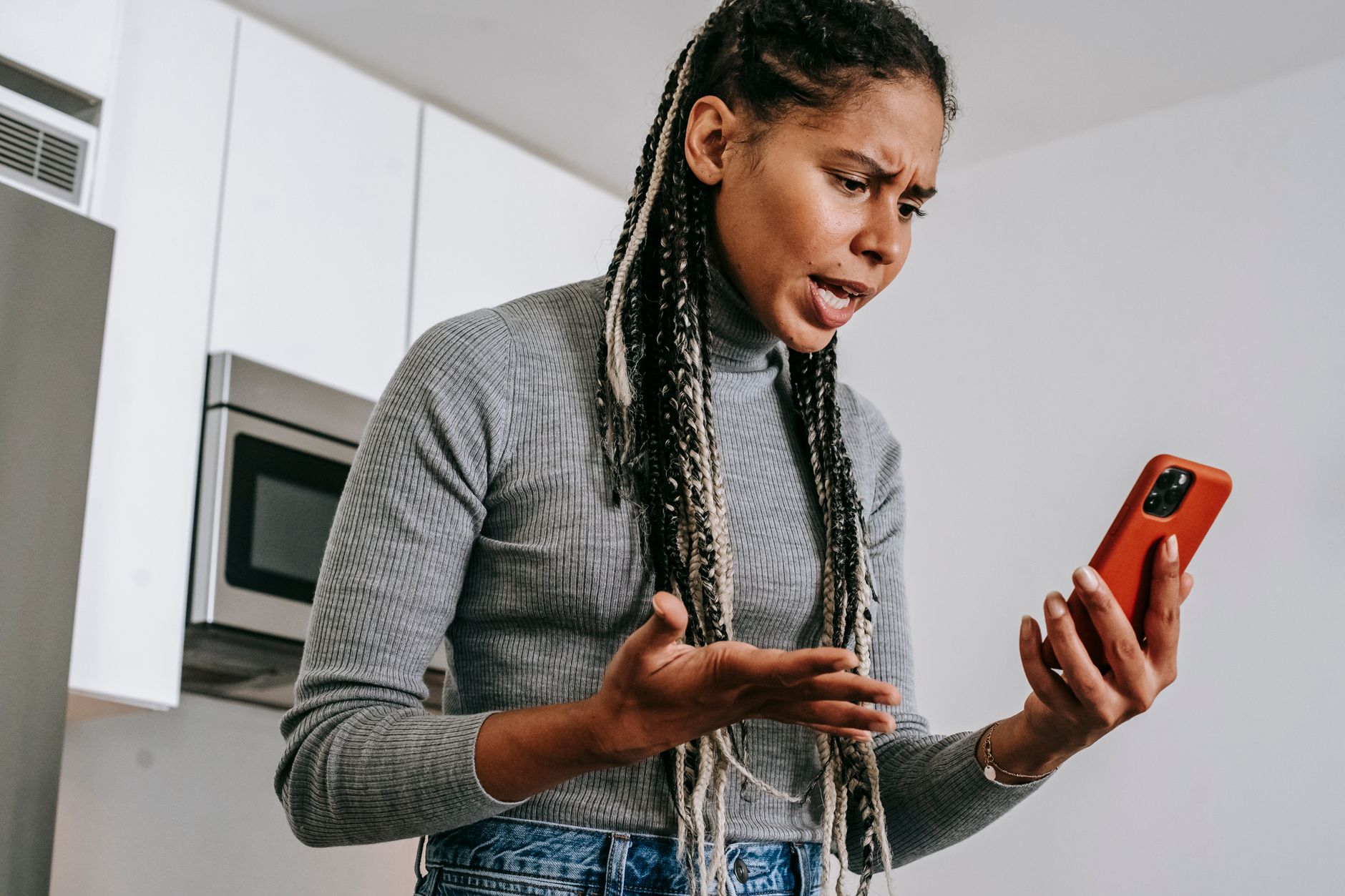
A fake Elon Musk video can surface anywhere. It may appear as a YouTube ad, a post on X, or a direct message. In the clip, Musk seems to announce a new crypto giveaway. He says he will double any Bitcoin or Ethereum you send. The video looks smooth and convincing. But the real Elon Musk never runs these offers. Scammers use AI tools to clone his voice and face. They rely on trust, urgency, and the hope of easy money. This guide explains how these scams work and how to avoid them. Victims often lose thousands before they realize the truth.
The rise of generative AI has made these cons more dangerous. A scammer no longer needs advanced editing skills. Free or cheap tools can generate a short video with a familiar face and voice. Bad actors download real Musk interviews and train models to mimic his speech. Then they push the fake content through paid ads. They may also hack verified accounts to make the posts look real. The FTC warns that any request to send crypto for a giveaway is a major red flag. Our team tracks these cases closely. We see the same patterns repeat each week.
Scammers combine fake Musk videos with common fraud scripts. Some run investment platforms that show fake profit dashboards. Others build romance or fan pages that ask for gift cards. The Federal Trade Commission reports that consumers lost $1.14 billion to romance scams in 2023. Investment scams caused even larger losses. We will break down the exact tactics, who gets targeted, and how to report an incident. If you or someone you know saw a fake Musk promotion, do not engage. Read the warning signs below first.
| Scam Type | Hook | Warning Sign |
|---|---|---|
| Crypto giveaway | Scammers promise to double your crypto if you send some first | You must send money to get money |
| AI investment platform | Fake Musk promotes a trading bot with guaranteed returns | Promises of high returns with no risk |
| Romance or fan contact | A fake Musk profile asks for gift cards or crypto | Celebrity asks you for money or secrets |
| Deepfake video ad | AI alters real Musk footage to sell a coin | Odd mouth movements or flat voice |
What Does a Fake Elon Musk Scam Look Like?

The most common fake Musk scam is a crypto giveaway. A video or ad claims that Musk is celebrating a Tesla or SpaceX milestone. It says he will send back double the crypto you send first. The address may be displayed on screen. The site may even show a live transaction feed. This feed is fake. No real giveaway works this way. The scam pushes you to act fast. It often says the offer expires in minutes. Some versions use fake Musk accounts on X or hacked channels on YouTube. Others target WhatsApp and Telegram groups. These are classic AI investment scams with a celebrity mask.
A second version uses a fake trading platform. The Musk video says he built an algorithm that returns 10 percent daily. You sign up and deposit $250. The dashboard shows quick profits. Then the site asks for taxes or upgrade fees. Every new fee is another loss. The platform never pays out. This setup mirrors many investment scam scripts. Scammers may also create fake news articles to support the claim.
- Fake Musk asks you to send crypto to a wallet address
- The video uses countdown timers and urgent language
- The profile name has extra letters or symbols
- Comments are often disabled or filled with bots
How Do Scammers Use AI to Fake Elon Musk?
AI makes the deception cheap and fast. A scammer can pull hundreds of real Musk clips from interviews and podcasts. Then they train a voice model to say new lines. Some tools can match lip movements to the fake audio. The result is not perfect but good enough on a small phone screen. The same approach appears in deepfake CEO fraud and other corporate scams. Voice cloning also fuels AI grandparent scams. The tech lowers the barrier for criminals.
Fake accounts add another layer. Scammers buy or hack verified accounts with large followings. They change the display name and photo to match Musk. A quick glance at the checkmark makes the post seem real. They may also use re-shared video clips with real audio. Then a text overlay adds the fake giveaway details. The FTC says imposter scams remain one of the most reported fraud categories. In 2023, consumers reported $2.7 billion in losses to imposter scams. That includes business and celebrity impersonation.
- Scammers train voice models on real Musk audio
- They use fake or hacked verified accounts
- A text overlay can twist a real clip
- Small phone screens hide many flaws
Who Does the Fake Elon Musk Scam Target?
These scams go after people who trust Musk as an innovator. Many victims are older adults who see a video on Facebook or YouTube. Others are new to crypto and do not know how real wallets work. The scam often begins with a social media ad. It may promise a once in a lifetime chance. Fans who comment on Musk posts get direct messages from fake profiles. Those messages ask to continue on WhatsApp or Telegram. The goal is to move you away from public platforms. This tactic is common in AI romance chatbot scams. The fraudster builds private trust.
Some victims are job seekers. A fake Musk company page may post a remote work offer. It asks for an upfront equipment fee. Others are small investors who want to recover previous losses. The scammer tells them that Musk endorses a recovery service. That service asks for a fee in crypto. Scammers keep lists of victims and target them again. The common thread is hope plus urgency. If a message makes you feel that you must act now, pause. That pressure is a tool.
- Older adults who trust celebrity endorsements
- New crypto users unfamiliar with wallet security
- Fans who engage with Musk content online
- Previous scam victims promised recovery
How Much Money Do Victims Lose to Fake Elon Musk Scams?
Losses vary from a few hundred dollars to life-changing amounts. The FTC reports that romance scams alone took $1.14 billion from victims in 2023. Many fake Musk contacts blend romance and investment themes. Investment fraud is even more expensive. The FBI IC3 found that investment fraud caused $4.57 billion in reported losses in 2023. Crypto investment fraud accounted for $3.96 billion of that total. Fake celebrity endorsements often fall into this category. A single victim may lose $50,000 or more after repeated deposits.
The median loss for a romance scam was about $2,000. But fake Musk crypto schemes can run much higher. Victims often start with a $250 deposit. The platform shows large profits. Then the scammer asks for taxes, withdrawal fees, or validator fees. Each request sounds official. The victim keeps paying because the dashboard looks real. Many people lose their retirement savings or take on debt. The FBI IC3 notes that older adults are heavily affected by investment fraud. Reports from victims over 60 grew sharply in recent years. This is not just a small loss problem.
- Romance scam median loss: $2,000 in 2023
- Total investment fraud losses: $4.57 billion in 2023
- Crypto investment fraud losses: $3.96 billion in 2023
- Some individual fake Musk cases exceed $100,000
How Can You Spot a Fake Elon Musk Video or Ad?
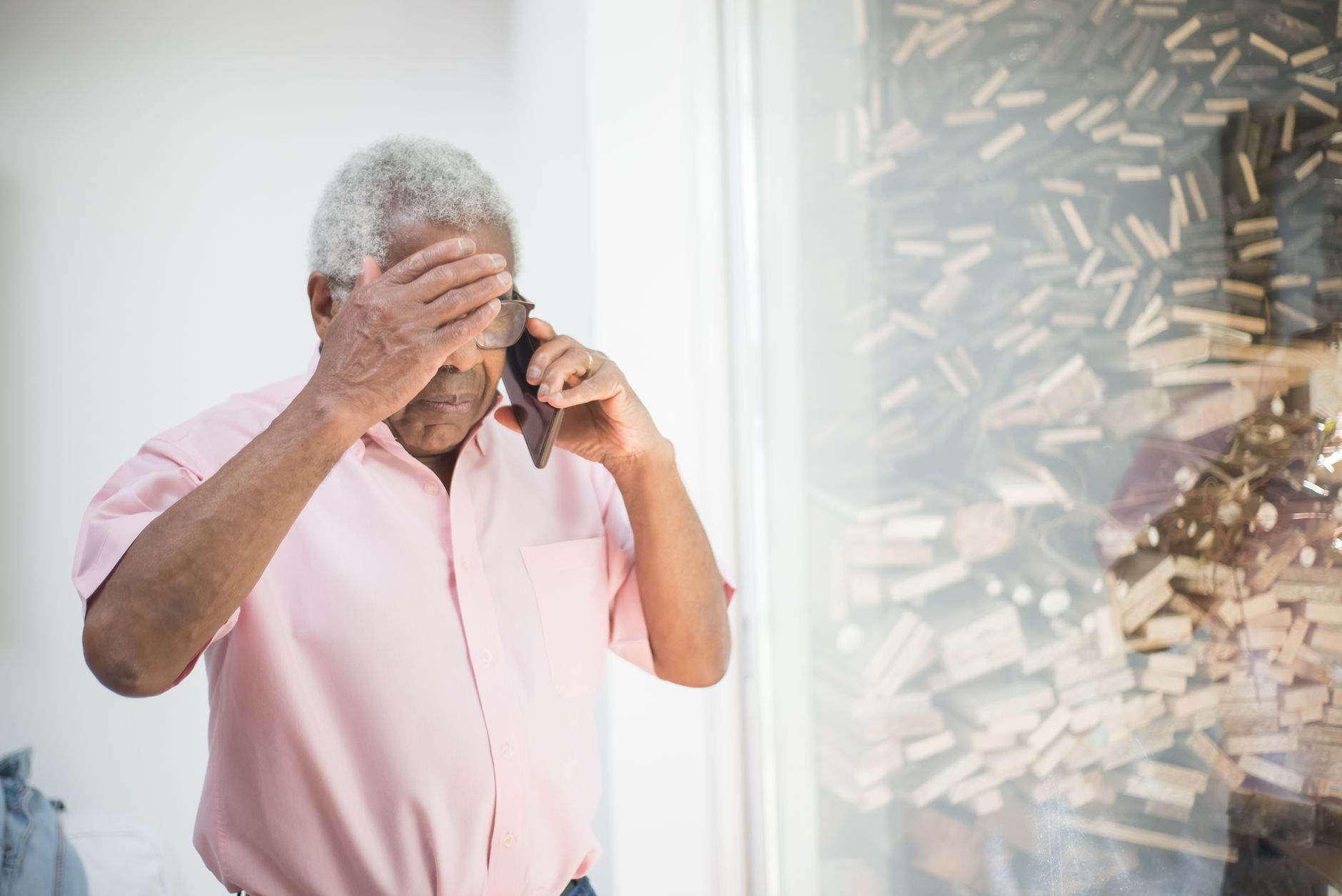
Look for the core offer first. If anyone says Musk will double your crypto, it is a scam. No legitimate company or public figure runs that kind of promotion. Check the profile handle carefully. A real Musk account is @elonmusk on X. Scammers use names like @Elon_Musk_Giveaway or @Tesla_Support_News. The handle may include extra underscores or numbers. The pinned post may have few followers or recent creation date. Comments often praise the giveaway. But many accounts are bots. Slow down and inspect the profile.
Watch the video with sound and full screen. Deepfakes often show strange mouth movements. The voice may sound flat or slightly off. The audio may not match the words. Look at the background and lighting. Fine details around the face may blur. Ask if the real Musk would announce a crypto giveaway on a random ad. He has said many times that he does not do giveaways. Check Tesla or SpaceX official websites for any announcement. If you cannot verify it, assume it is fake. Scammers also create fake news articles with fake AI tools to make the claim seem real. Use separate search to confirm.
- The offer promises guaranteed returns or double your money
- The account handle has extra characters
- The video has odd lip sync or flat voice
- The ad pushes you to act within minutes
- The only payment method is crypto or gift cards
What Should You Do If You Sent Money to a Fake Elon Musk Scam?
Act quickly but do not panic. First, stop all communication with the scammer. Do not send more money for fees or taxes. That will not unlock your funds. It will only add to your loss. Save every message, screenshot, wallet address, and transaction ID. These records help investigators. Change passwords on any account you shared. If you gave remote access to your device, disconnect it from the internet and run a security scan.
Report the incident to official channels. File a complaint with the FTC. This helps federal and state agencies track fraud patterns. You can also report to the FBI IC3. If the scam happened on a social platform, report the account and the ad. Your bank or crypto exchange may not recover the money. But they can mark the address and warn others. Some exchanges freeze funds if you report early. Do not pay a recovery service. Those are often scams too. Only a law enforcement agency or licensed attorney can help with recovery.
- Stop all payments and communication
- Save screenshots and wallet addresses
- Change passwords and run a security scan
- Report to FTC and FBI IC3
- Do not pay recovery fees
Frequently Asked Questions
Is Elon Musk really giving away crypto?
No. Elon Musk has repeatedly said he does not run crypto giveaways. Any video or post that asks you to send crypto first is a scam.
How can I tell a fake Elon Musk video from a real one?
Watch for strange mouth movements, flat audio, and offers that sound too good to be true. Check the account handle and compare it to the official @elonmusk profile.
What should I do if I sent crypto to a fake Musk giveaway?
Stop all contact with the scammer and save every screenshot and transaction ID. Report the case to the FTC at reportfraud.ftc.gov and to the FBI IC3.
Can AI really clone Elon Musk's voice and face?
Yes. Scammers train AI models on public interviews and podcasts. The resulting deepfakes can be convincing on small screens.
Why do scammers use Elon Musk instead of other celebrities?
Musk is widely trusted around crypto and technology. His name makes fake giveaways and investment platforms seem credible.
Where can I report a fake Elon Musk scam?
Report the scam to the FTC at reportfraud.ftc.gov and to the FBI IC3 at ic3.gov. Also report the account and ad on the social platform where you saw it.
What Should You Remember?
- Never send crypto to anyone who promises to double your money. No real giveaway asks for a deposit.
- Check the account handle letter by letter. Scammers use extra underscores, numbers, or lookalike names.
- Question deepfake videos with odd lip sync, flat audio, or claims of guaranteed returns.
- Act fast after a loss. Save screenshots and file reports with the FTC and FBI IC3.
- Ignore recovery offers from strangers. Many are follow-up scams.
- Share this warning with older adults who may trust celebrity endorsements.
This article is for general information only and does not constitute legal or financial advice. Scam tactics evolve quickly , always verify current threats through official sources such as the FTC, FBI IC3, BBB, or CISA before acting. If you believe you’ve been defrauded, report it promptly and contact your financial institution.