
The most dangerous crypto scam in 2025 does not start with a flashy token. It starts with a friendly wrong-number text or a new match on a dating app. The FBI’s Internet Crime Complaint Center reports that cryptocurrency investment fraud losses reached $3.96 billion in 2023, up 53 percent from the previous year. Many of those losses came from pig butchering and AI-assisted fake trading platforms. The scammer slowly gains trust, then steers the victim into a platform that shows huge returns but never lets them withdraw. The platform may have a professional app, live charts, and a helpful support team. It is all theater.
Artificial intelligence makes the theater cheaper and more convincing. Scammers use chatbots to text like a real romantic partner. They use voice cloning for phone calls. They build fake trading dashboards that display real-time Bitcoin prices alongside fake account balances. In some cases, AI romance chatbot scams blend with fake AI investment tools to create a complete fake financial relationship. The person behind the screen may be an operator using scripts, not a friend.
You cannot rely on your eyes. Fake platforms copy real logos, publish whitepapers, and appear in app stores. The only way to protect yourself is to verify the company outside the platform before you send money. This guide walks through how pig butchering works, how AI tools fabricate returns, and how to check an investment platform through regulators. If someone is pressuring you to act fast, that is a signal to stop. Speed is how these scams win.
| Red Flag | What It Looks Like | What To Do |
|---|---|---|
| Guaranteed returns | Promises of 1 percent daily or 30 percent monthly | Stop contact and report |
| Met online | A friend or romantic partner sends a trading link | Do not send money |
| Unlicensed platform | No FINRA or state registration | Verify before you fund |
| Withdrawal fees | Fees demanded to release your balance | Refuse to pay |
| Fake statements | Profits shown only inside the platform | Ask for audited records |
What Are Pig Butchering and AI-Assisted Fake Trading Platforms?

Pig butchering is a long-con investment fraud. The name comes from fattening a pig before slaughter. The scammer does not ask for money on day one. They build trust over weeks or months through text messages, social media, or dating apps. They may send daily photos, share personal stories, and call at night. Then they mention a successful uncle, a private trading group, or a proprietary AI trading bot. They invite the victim to start small. Early deposits often produce small withdrawals to build confidence.
AI-assisted fake trading platforms are the stage for this con. They look like professional brokerage dashboards. Users see balances, positions, and profit curves. Those numbers are generated by the scammer’s backend. No real trades happen. AI tools let a small team operate dozens of platforms with personalized interfaces and multilingual support. Some platforms use AI-generated market commentary and fake analyst videos. The person you believe you are dating is often a professional operator in an overseas call center.
These scams overlap with crypto AI investment scam guide and AI job scam guide because victims are recruited through romance, fake jobs, or casual messages. The destination is always the same: a wallet address controlled by the scammer. A victim may think they are trading crypto with an AI edge. In truth, they are sending money straight to a fraud ring.
How Do These Scams Operate Step by Step?
Most pig butchering operations follow a tight script. The first stage is seeding. Scammers send friendly wrong-number messages or social media requests. A text might say, ‘Hi, is this Anna from the yoga class?’ When the victim corrects them, the scammer apologizes and starts a conversation. The second stage is grooming. They ask about your job, your family, and your stress. They never ask for money. This can last for weeks.
The third stage is the investment pitch. The scammer mentions a crypto or AI trading platform where they have made money. They share screenshots of profits. They may send a link to download an app. The fourth stage is the test. The victim deposits a small amount, often between $200 and $500. The dashboard shows fast gains. The scammer encourages a small withdrawal. The withdrawal is paid, usually from another victim’s deposit. This builds trust.
The fifth stage is the slaughter. The victim adds more money, sometimes draining savings, borrowing from family, or taking loans. The dashboard shows huge returns. When the victim tries to withdraw, the platform demands taxes, fees, or a security deposit. The scammer may say, ‘Just pay this and everything clears.’ The fees never stop. The money never comes back.
- Wrong-number messages and friend requests that turn friendly
- Investment talk after weeks of personal chats
- A custom app not listed on any regulatory database
- A small withdrawal that works, then a large deposit
- Phony tax, gas, or security fees to release your funds
Why Are AI Tools Making Fake Trading Platforms More Convincing?
Artificial intelligence removes the labor cost from believability. A fraud ring no longer needs a room full of bilingual account managers. AI chatbots can send flirty, caring messages in natural English around the clock. Voice cloning software can make a fake broker sound like a real person on a call. This makes the initial AI romance chatbot scam more engaging and harder to reject.
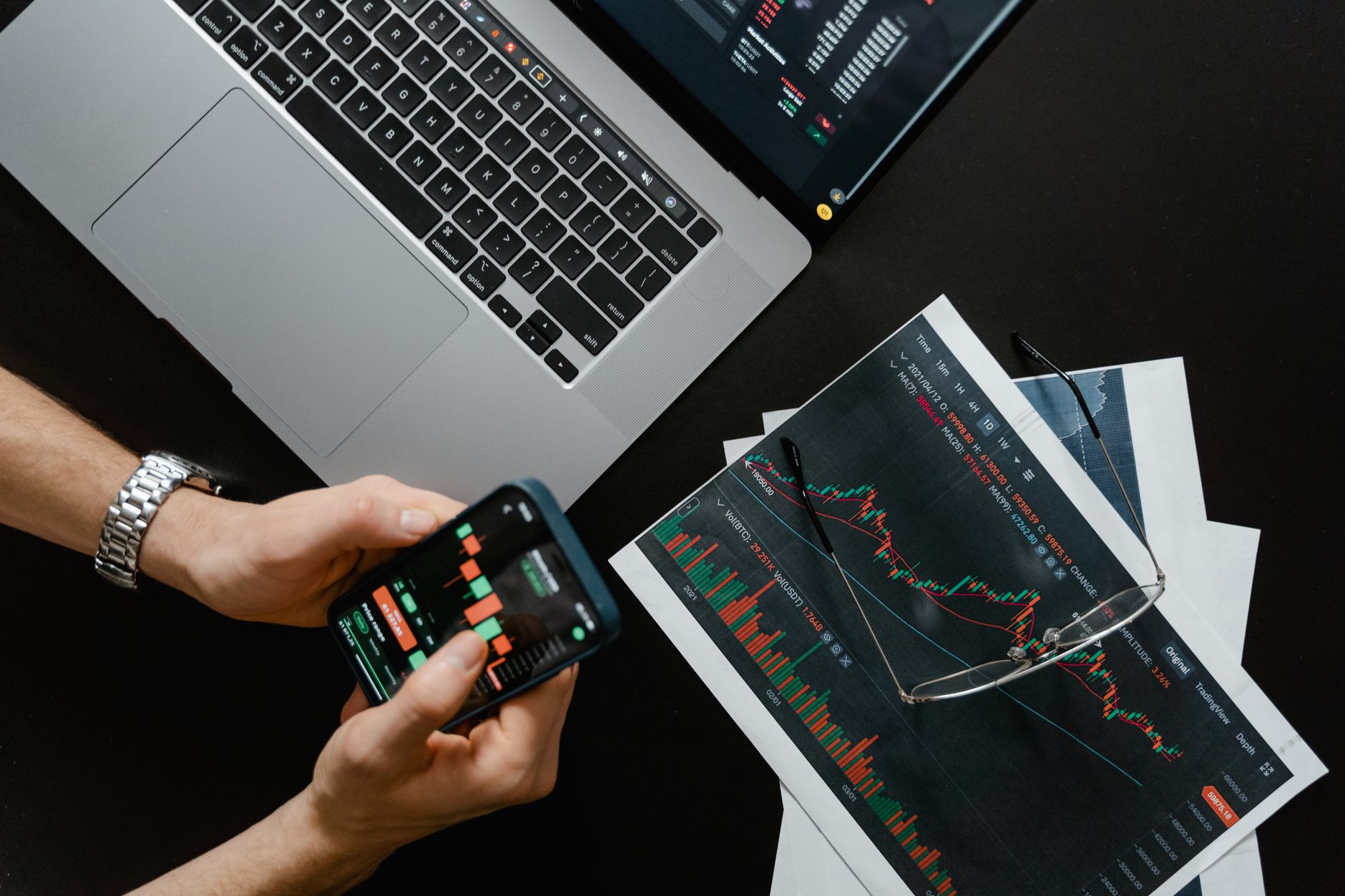
Fake trading dashboards have also improved. Scammers can deploy realistic web and mobile apps using open-source trading software. They use AI to generate convincing market analysis, price predictions, and customer support replies. Some platforms use live Bitcoin or Ethereum price feeds but credit users with fake balances. The real price motion makes the fake account feel legitimate. You might think, ‘The chart matches Coinbase, so my account must be real.’ That does not make it real.
Deepfake video and synthetic audio are now part of the toolkit. A scammer can create a short video of a CEO or fund manager welcoming new investors. This is similar to deepfake CEO fraud but aimed at retail victims. The goal is to lower your suspicion. The only reliable defense is outside verification, never the video, the app, or the person on the phone.
How Can You Spot a Fake Crypto or AI Investment Platform?
Fake platforms share predictable red flags. They are often marketed through social media, messaging apps, or a person you met online. They promise daily or weekly returns that far exceed market norms. They may offer AI trading bots that claim to earn 1 percent per day. Real investment firms do not guarantee returns. If the platform combines romance with pressure to invest, treat that as a crime scene, not an opportunity.
Look at the domain. Many fake platforms use a URL that resembles a real exchange but adds a word or changes a letter. Check the platform’s registration date using a WHOIS lookup. Fraud sites are often only months old. Check if the company lists a physical address, a working phone number, and the names of regulated principals. Call the number. If no one answers or the person cannot answer basic regulatory questions, stop.
Another strong warning sign is the withdrawal fee trap. Legitimate brokers may charge taxes or network fees, but they do not hold your principal hostage. A fake platform will show huge profits and then say you must pay a smart contract fee or verification deposit to withdraw. That demand is proof of fraud. No legitimate platform requires you to pay more money to get your own funds.
- Guaranteed high returns with no risk
- A romantic partner or new friend provided the link
- Urgent pressure to act before a private window closes
- Withdrawals blocked by new taxes or fees
- No registration with the SEC, CFTC, FINRA, or your state regulator
How Do You Verify an Investment Platform Before Sending Funds?

Verification starts outside the platform. Do not ask the person who referred you. They are part of the play. Search for the company name plus the word ‘scam’ and ‘complaint.’ Check the SEC’s EDGAR system for registered securities and the CFTC for derivatives platforms. For crypto exchanges, look for a money transmitter license in your state. For investment advisers, use FINRA BrokerCheck. If the company is not listed where it should be, that is a red flag.
Call the regulator. A real firm has a phone number that a regulator can confirm. Write down the legal name, not the brand name. Scammers often use brand names like NovaTrade AI or Apex Crypto Fund. Then search that name in your state’s securities database. You can also file a complaint with the FTC if you suspect fraud. The FBI IC3 tracks internet crime and can connect reports to larger cases.
Use a separate device and browser to search for your platform. A scam app can intercept your search results on a compromised device. Do not rely on screenshots, videos, or testimonials inside the platform. Those are fabricated. Search for third-party reviews on trusted sites. If the only positive posts are from brand-new accounts, treat them as paid bots. Ask the platform for its legal entity and license number. Then verify that license number with the regulator directly.
A legitimate platform will never tell you to hide the investment from your spouse or family. That secrecy demand is a control tactic. Before sending funds, ask a licensed financial adviser or accountant to review the opportunity. If you are being rushed, stop. Speed is a tool of fraud. The Better Business Bureau also lets you search business complaints. Use multiple sources.
What Should You Do If You Already Sent Money?
Act fast. Contact your bank or payment app and tell them the transaction was fraud. Ask for a recall or reversal. The sooner you report, the better the odds of recovering funds. If you paid with cryptocurrency, recovery is difficult but not impossible when law enforcement acts quickly. Do not share your wallet seed phrase or private key with anyone who claims to recover your crypto. That is a second scam.
Report to the FBI IC3 and the FTC. Keep records of every message, wallet address, phone number, and website. Screenshots help investigators. If the scam involved someone you met on a dating app, report their profile too. Law enforcement uses pattern reports to connect cases and sometimes freeze accounts.
Watch for recovery scammers. After a pig butchering loss, victims are often targeted again by people who claim to be lawyers, hackers, or government agents. They say they can recover your funds for an upfront fee. They cannot. Fake AI tools and AI job scams often feed victims into these recovery traps. Block anyone who asks for a fee to chase lost money.
Get emotional support. These crimes create financial and relationship trauma. The shame is real, but you are not alone. Report, secure your accounts, and avoid making decisions under pressure. A trusted friend or counselor can help you separate the next real step from the next scam.
Frequently Asked Questions
What is pig butchering?
Pig butchering is a long-term investment scam. The scammer builds a fake romantic or friendship bond over weeks, then lures the victim into a fake crypto or AI trading platform and steals their deposits.
How do AI fake trading platforms show fake profits?
The platform is controlled by scammers. It displays balances, charts, and trades that never happen. Some apps use live crypto prices to look real, but account balances are changed by the scammer.
Can I get my crypto back after a pig butchering scam?
Recovery is difficult. Report immediately to your bank, the FBI IC3, and the FTC. Do not pay anyone who promises to recover your crypto for an upfront fee. Those are usually recovery scammers.
How do I check if an investment platform is registered?
Search for the legal company name in FINRA BrokerCheck, the SEC EDGAR system, the CFTC, and your state securities regulator. If the platform is not listed, do not send money.
What are common signs of a fake trading site?
Guaranteed high returns, a link from someone you met online, urgent pressure, a custom app, and withdrawal fees are common signs. Real firms do not promise fixed daily profits or hold your money hostage.
Should I pay taxes or fees to withdraw my money?
No. If a platform demands new taxes, gas fees, or verification deposits before releasing your funds, it is a fraud. Stop contact and report the platform.
What Should You Remember?
- Verify first: never send money to a platform that is not registered with FINRA, your state regulator, or another official body.
- Pig butchering starts with a wrong number or dating app match, then builds trust for weeks before the investment pitch.
- AI chatbots, voice clones, and deepfakes make fake platforms look real. The dashboard is not proof.
- Small withdrawals are a confidence trick. They are paid from other victims, not from real trading profits.
- Withdrawal fees are a red flag. A real platform does not make you pay to access your own funds.
- Report losses to your bank, the FBI IC3, and the FTC immediately. Do not pay recovery scammers.
This article is for general information only and does not constitute legal or financial advice. Scam tactics evolve quickly , always verify current threats through official sources such as the FTC, FBI IC3, BBB, or CISA before acting. If you believe you’ve been defrauded, report it promptly and contact your financial institution.