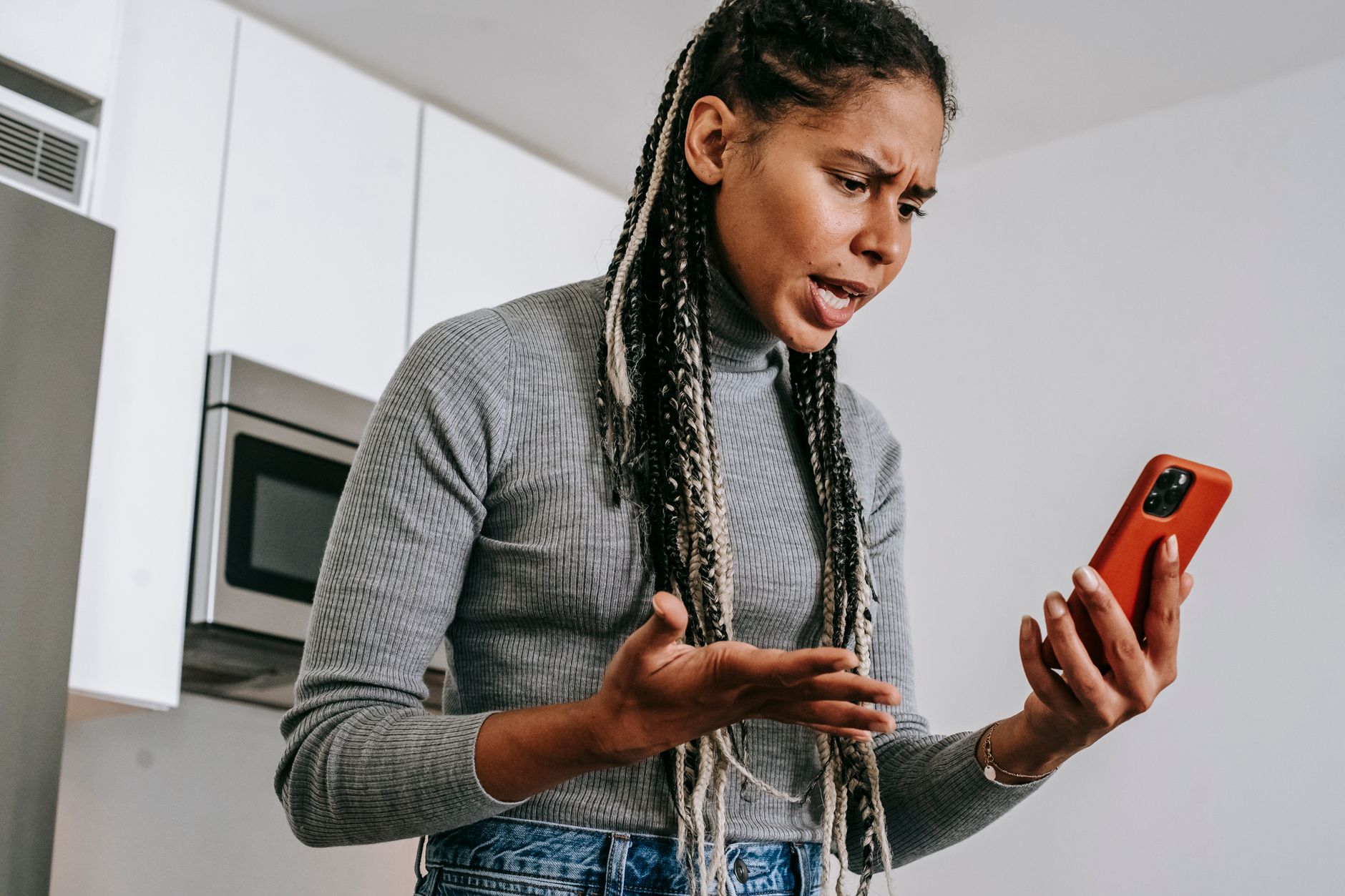
Romance scams are no longer limited to a single person typing from an internet cafe. Criminal groups now use AI chatbots, stolen photos, and script libraries to run dozens of fake relationships at once. The goal is the same as old school romance fraud. They build emotional trust, create a crisis, and then ask for money. The Federal Trade Commission reported that consumers lost $1.14 billion to romance scams in 2023. The median reported loss was $2,000. That number only captures people who came forward. Many victims feel too ashamed to report what happened.
AI romance chatbot scams are a form of confidence fraud. The person on the other end may not be a real love interest at all. In some operations, large language models produce the messages. In others, low paid workers use AI tools to translate and personalize chats. You may receive dozens of thoughtful messages each day. Every message is designed to make you feel seen. That feeling becomes the hook. The FBI Internet Crime Complaint Center recorded 17,823 confidence and romance fraud complaints in 2023. Reported losses reached $652 million. That is likely a fraction of the real total.
The scam works because it hijacks a normal human need for connection. Scammers are patient. They may spend weeks or months building a relationship before they ask for anything. By the time money enters the conversation, you may feel like you are helping a partner, not a stranger. This guide explains how these operations work at scale, how to spot the red flags, and how to protect yourself before you send money.
| Warning Sign | What It Often Means |
|---|---|
| They ask for crypto, gift cards, or wire transfers | The scammer wants money that is hard to trace and reverse. |
| They never video call or always cancel | The person may be hiding their real identity or using a fake profile. |
| They declare love unusually fast | Speed creates emotional attachment before you think critically. |
| They ask you to keep the relationship secret | Isolation prevents friends from spotting the fraud. |
| Their messages ignore specific questions | AI chatbots often give generic answers and repeat phrases. |
| They have a sudden emergency after months | The long con reaches the payout stage. |
What Is an AI Romance Chatbot Scam?
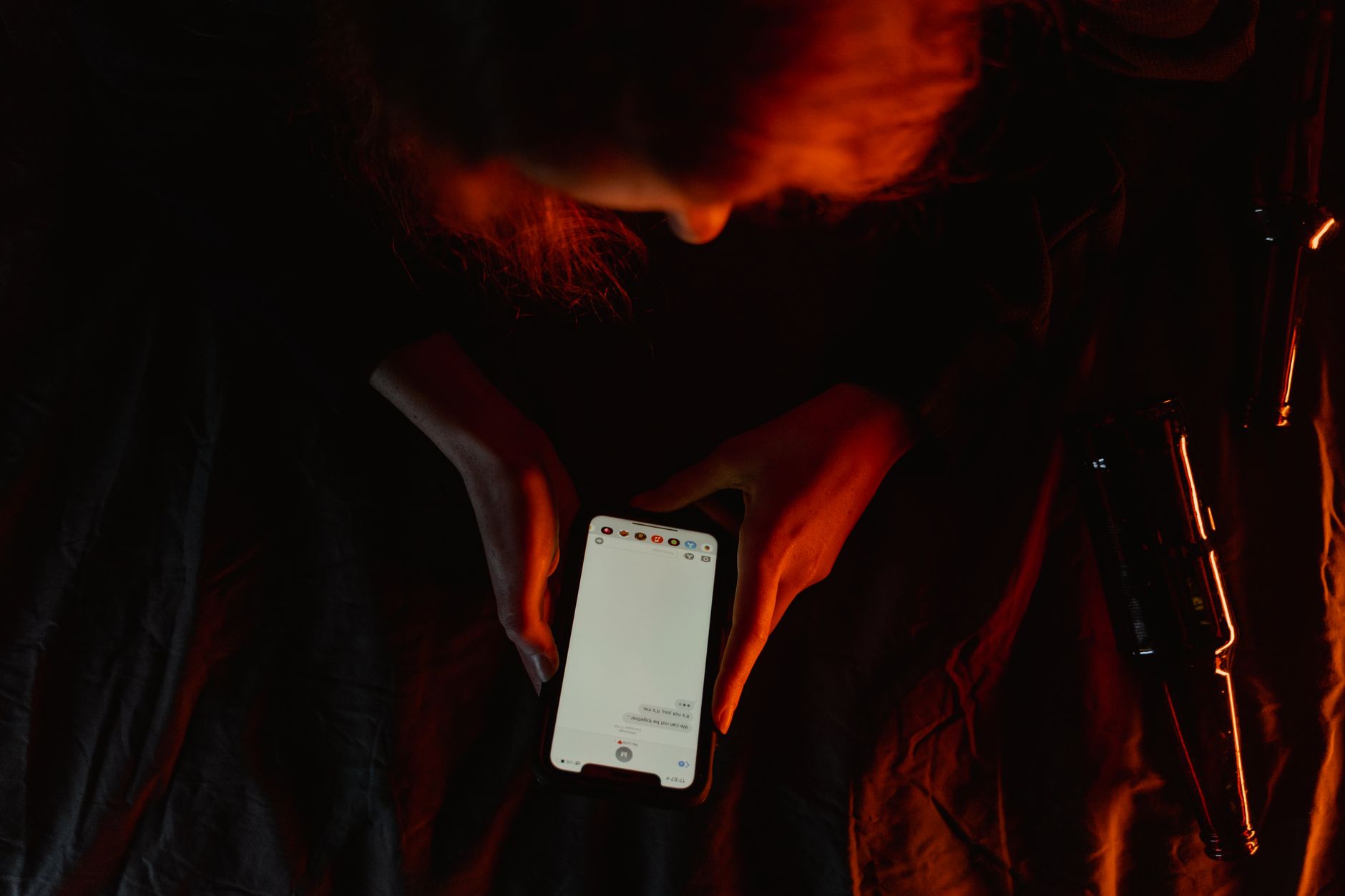
An AI romance chatbot scam is a form of fraud where scammers deploy automated or AI-assisted conversations to impersonate a romantic partner. The crooks create fake profiles on dating apps, social media, or messaging platforms. They use stolen photos, fabricated biographies, and sometimes AI-generated images. Some operations use pure chatbots. Others use a hybrid model. A human handler may take over when the target is ready to send money. The technology allows the same scammer to manage many relationships at once.
The scam belongs to a broader category called confidence fraud. The criminal wins your confidence, then uses it to steal. Romance scams have existed for decades. What has changed is the scale. AI tools let criminals automate the early stages of grooming. They can generate daily messages, voice notes, and even video clips. The emotional bond can feel very real. That bond is the product the scammer is selling. Once you trust the fake partner, the money requests begin.
Common money requests include a medical emergency, a plane ticket to visit you, a temporary business expense, or an investment opportunity. In AI romance scams, the investment angle often leads to cryptocurrency. This is called pig butchering. The scammer fattens the victim with love, then slaughters their finances. You can read more about the crypto version in our crypto AI investment scam guide.
- A sudden need for surgery or bail money
- A promised visit that requires travel funds
- A can’t-miss crypto trading tip
- A request to receive money for a sick relative
How Does This Scam Work at Scale?
Traditional romance scams were labor intensive. One scammer could only sustain a few conversations. AI removes that limit. Criminal groups now use central dashboards that display every active target, message history, and emotional trigger. A single operator can oversee dozens or hundreds of conversations. The chatbot drafts replies. The operator approves them. This hybrid model keeps the messages convincing while scaling the operation.
Many operations are run like call centers. Workers are given scripts, target quotas, and performance bonuses. Some employees are victims themselves, trafficked or forced into scam compounds. They work shifts around the clock to match time zones in the United States, Canada, and Europe. The business model works because only a small percentage of targets need to pay. Even a one percent conversion rate can generate millions of dollars. The FTC data shows romance scams often rank near the top for total reported losses each year.
The tools are cheap and easy to find. Scammers buy or rent AI chatbot software on underground forums. They use face swapping apps to create video call clips. They use voice cloning software to send spoken messages. Some scammers repurpose legitimate AI tools with malicious prompts. The result is a manufactured partner who seems to remember your birthday, your job, and your fears. You can learn more about how fake AI tools are marketed in our fake AI tools scam guide.
Where Do Scammers Find Targets?
Scammers start where lonely or hopeful people gather online. Dating apps are the most obvious hunting ground. Tinder, Hinge, Bumble, and niche dating sites are full of fake profiles. Social media platforms are just as common. A scammer may send a friend request out of nowhere. They may comment on a public post. They may join a Facebook group for widows, veterans, or faith communities. Once they have a conversation going, they push you toward a private messaging app.
Moving the chat to WhatsApp, Telegram, or Signal is a red flag. The scammer may say they prefer more privacy. The real reason is control. On a private app, there is no platform moderation. The scammer can delete messages and share malicious links. They can also isolate you from friends who might question the relationship. This isolation is deliberate. It makes you easier to manipulate.
Some operations use targeted lists. They buy data from breaches or use social media scraping tools. They look for people who are recently divorced, widowed, or publicly struggling with illness. One common script targets older adults who post in grief support groups. The scammer poses as a person who shares the same loss. If you are active in crypto forums, you may be targeted for the investment angle of the scam. Read our AI job scam guide to see how the same recruitment tactics appear in fake work offers.
How Do Scammers Use AI and Chatbots to Fake Intimacy?
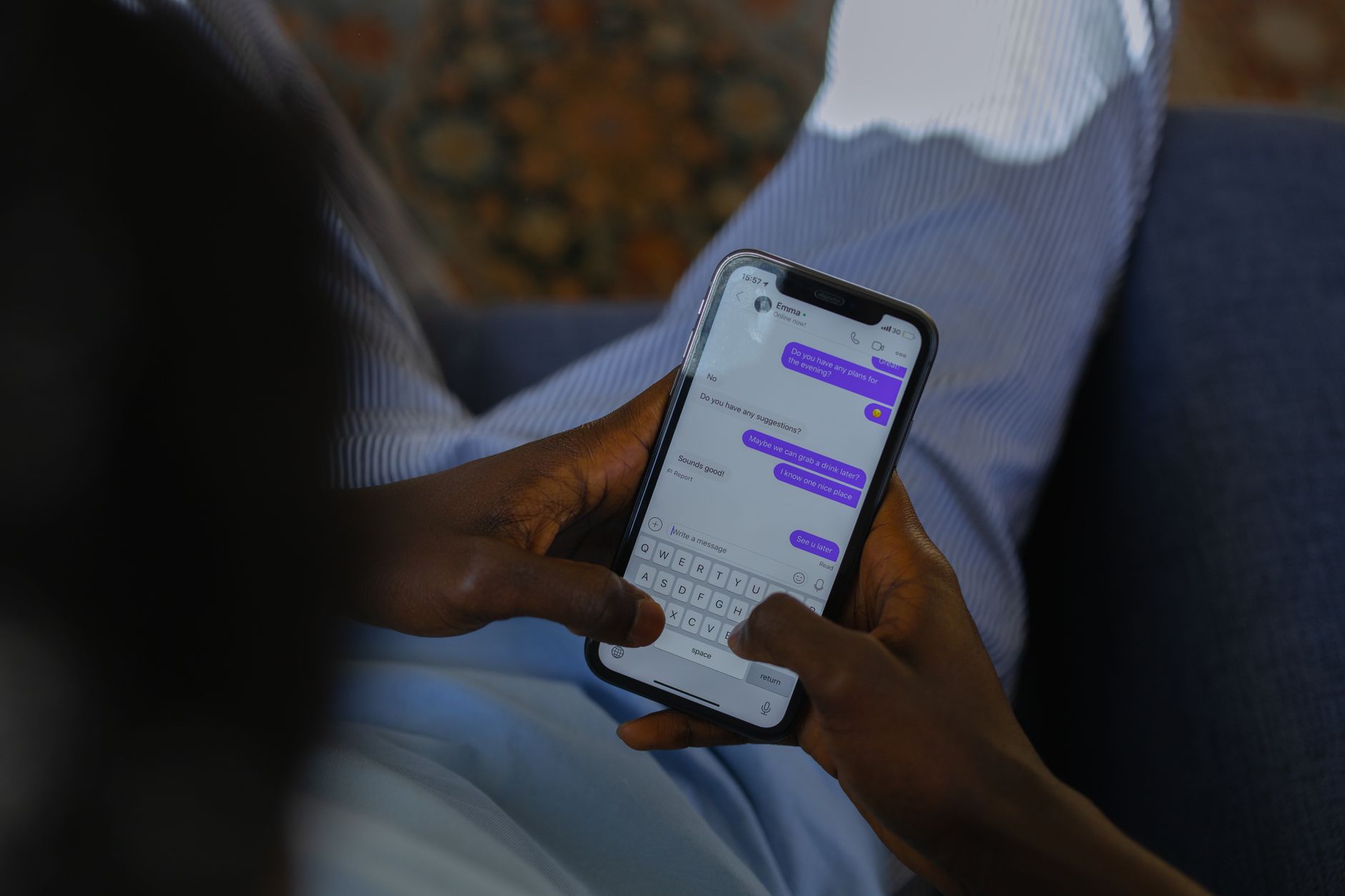
AI makes the fake partner feel consistent. A well tuned chatbot can ask about your day, remember your pet’s name, and send good morning messages at the same time each day. It can mimic language patterns from romance novels and love letters. Some victims have said the conversations felt more attentive than real relationships. That is the point. The scammer is not distracted by work, family, or bad moods. The fake partner exists only to make you feel special.
Voice notes are especially powerful. A scammer can use voice cloning software to create a realistic voice from a short sample. The Federal Trade Commission has warned that voice cloning can make fraud harder to spot. Video calls are no longer proof of a real person. Scammers can use face swapping or deepfake software to overlay a stolen face onto a live video. The video may lag or look slightly uncanny. In some cases, the scammer claims a broken camera forces a black screen. You can read about how deepfakes are used in corporate fraud in our deepfake CEO fraud guide.
These tools are not perfect. There may be robotic pauses, repeated phrases, or answers that ignore your question. But emotional need can override suspicion. The brain wants to believe the connection is real. Scammers exploit that wiring. They also use AI to translate messages from one language to another. This allows a scammer who does not speak English to chat with you fluently. If a conversation feels too polished yet avoids video, that is a warning sign.
What Are the Warning Signs Before You Send Money?

The clearest warning sign is any request for money from someone you have never met in person. That rule applies no matter how real the chats feel. Scammers often create a sudden emergency after weeks or months of building trust. The emergency may involve a hospital bill, a car accident, or a stranded traveler. The request is urgent. There is always a reason you must act now and tell no one.
Another major red flag is a request to move money through cryptocurrency, gift cards, or wire transfers. These payment methods are hard to trace and almost impossible to reverse. The scammer may frame the payment as an investment opportunity. They may promise high returns from a trading platform they control. You can read our crypto AI investment scam guide to see how the investment stage typically unfolds. Legitimate romantic partners do not pressure you into secret investments.
Watch for inconsistencies in the story. A fake partner may forget details they shared earlier. They may use odd phrasing or reply at strange hours. AI chatbots sometimes repeat phrases or give generic answers to specific questions. Test the person. Ask a simple question about a detail they mentioned last week. If they dodge, that is a problem. Real people can be inconsistent too, but scammers often refuse to meet by video or always cancel plans.
Be careful when someone asks you to keep the relationship secret. Isolation is a classic control tactic. The scammer may say your friends and family are jealous or do not want you to be happy. That is a lie. Tell a trusted person about the relationship before you send money. You can also report suspicious behavior to the FTC or the FBI IC3.
- They ask for money before meeting in person.
- They request crypto, gift cards, or wire transfers.
- They avoid video calls or always have a broken camera.
- They ask you to keep the relationship secret.
- They declare love unusually fast.
How Do You Protect Yourself and Report an AI Romance Scam?
Protection starts with a simple rule. Do not send money, gift cards, crypto, or personal financial details to someone you have not met in person. That rule protects you even if the person is later proven real. Next, slow down. Scammers rely on urgency. If a new partner has a sudden emergency, pause. Call a friend or family member. Explain the situation out loud. Hearing the story can make the red flags more obvious.
If you suspect an AI romance scam, stop all contact immediately. Do not argue with the scammer. Do not threaten to expose them. Just stop responding. Block the account on every platform. Keep screenshots of chats, payment requests, and wallet addresses. These records help investigators. Then report the profile to the platform where you met. Most dating apps and social media sites have a report button for romance fraud.
Report the crime to the FTC and the FBI IC3. If you sent money through a bank or crypto exchange, contact them right away. You may be able to freeze a transfer or flag a wallet. Recovery is rare, but early action improves the odds. Read our AI grandparent scam guide to understand how the same voice cloning tools are used in emergency scams.
Frequently Asked Questions
Can an AI chatbot really mimic a romantic partner?
Yes. Modern language models can generate affectionate, consistent messages that feel personal. Scammers also use AI to translate and script replies across many targets at once.
What payment methods do AI romance scammers request?
They usually ask for cryptocurrency, gift cards, wire transfers, or payment apps. These methods are hard to trace and nearly impossible to reverse.
How can I verify that a romantic interest is real?
Request a live video call where the person answers specific questions. Ask for a photo with a current newspaper. Search their images using a reverse image tool. Be suspicious of excuses.
What should I do if I already sent money to an AI romance scam?
Stop all contact. Keep screenshots and transaction records. Report to your bank, the platform, the FTC, and the FBI IC3. Contact crypto exchanges if crypto was used.
Are older adults targeted more often by AI romance scams?
Yes. Scammers target older adults because they may have savings, isolation, or less familiarity with AI tools. Law enforcement reports show older victims often lose larger amounts.
Is every online relationship with a busy or distant person a scam?
No. Many real relationships start online. The key difference is money requests, secrecy, and refusal to verify identity.
What Should You Remember?
- Never send money to someone you have not met in person, no matter how real the chats feel.
- Watch for crypto requests. Scammers prefer currency that cannot be reversed.
- Demand live video. Real partners will find a way to show their face.
- Tell someone you trust. Isolation is the scammer’s best tool.
- Report early. The FTC and FBI IC3 need your report to track these operations.
- Save all evidence. Screenshots and wallet addresses help investigators.
This article is for general information only and does not constitute legal or financial advice. Scam tactics evolve quickly , always verify current threats through official sources such as the FTC, FBI IC3, BBB, or CISA before acting. If you believe you’ve been defrauded, report it promptly and contact your financial institution.