Creators now face a wave of scams disguised as legitimate opportunities. A message arrives about an AI tool license, a copyright notice, or a marketplace that wants your work. It looks official. It asks for a fee or personal data. Many creators lose money before they realize the message was fake. The Federal Trade Commission reports that consumers lost $10 billion to fraud in 2023, a record. Scammers are using AI terms to make old cons feel current. This guide explains three main schemes and how to check them.
The fraud works because creators depend on tools, platforms, and clients. A fake licensing offer promises steady income. A bogus copyright email threatens account suspension. A fake AI image marketplace says your portfolio is in demand. Scammers know creators often work alone and under deadline pressure. They also know that a copyright claim can trigger panic. The FBI Internet Crime Complaint Center received 880,418 complaints in 2023 with potential losses over $12.5 billion. Many of those reports involve business email compromise and impersonation. Creators should treat every unsolicited licensing or legal notice as a possible threat.
This article explains how to spot fake AI-tool licensing, bogus copyright claims, and fraudulent AI-image marketplaces. You will learn the red flags, the verification steps, and the official resources to use. We also link to other AI scam guides on this site. The goal is simple: protect your work and your money. Always pause before you pay, click, or share login details.
| Scam Type | Initial Contact | What They Demand | How to Verify |
|---|---|---|---|
| Fake AI-tool licensing | Email or DM with a licensing contract | Upfront processing or tax fee before payment | Search program on official company site |
| Bogus copyright claim | Email or platform notice threatening takedown | Settlement by gift cards, crypto, or wire transfer | Check platform copyright policy and sender domain |
| Fraudulent AI image marketplace | Invite to upload portfolio to new site | Withdrawal fee or premium membership to release earnings | Look for business address, terms, and reviews |
How Do Fake AI-Tool Licensing Scams Work?

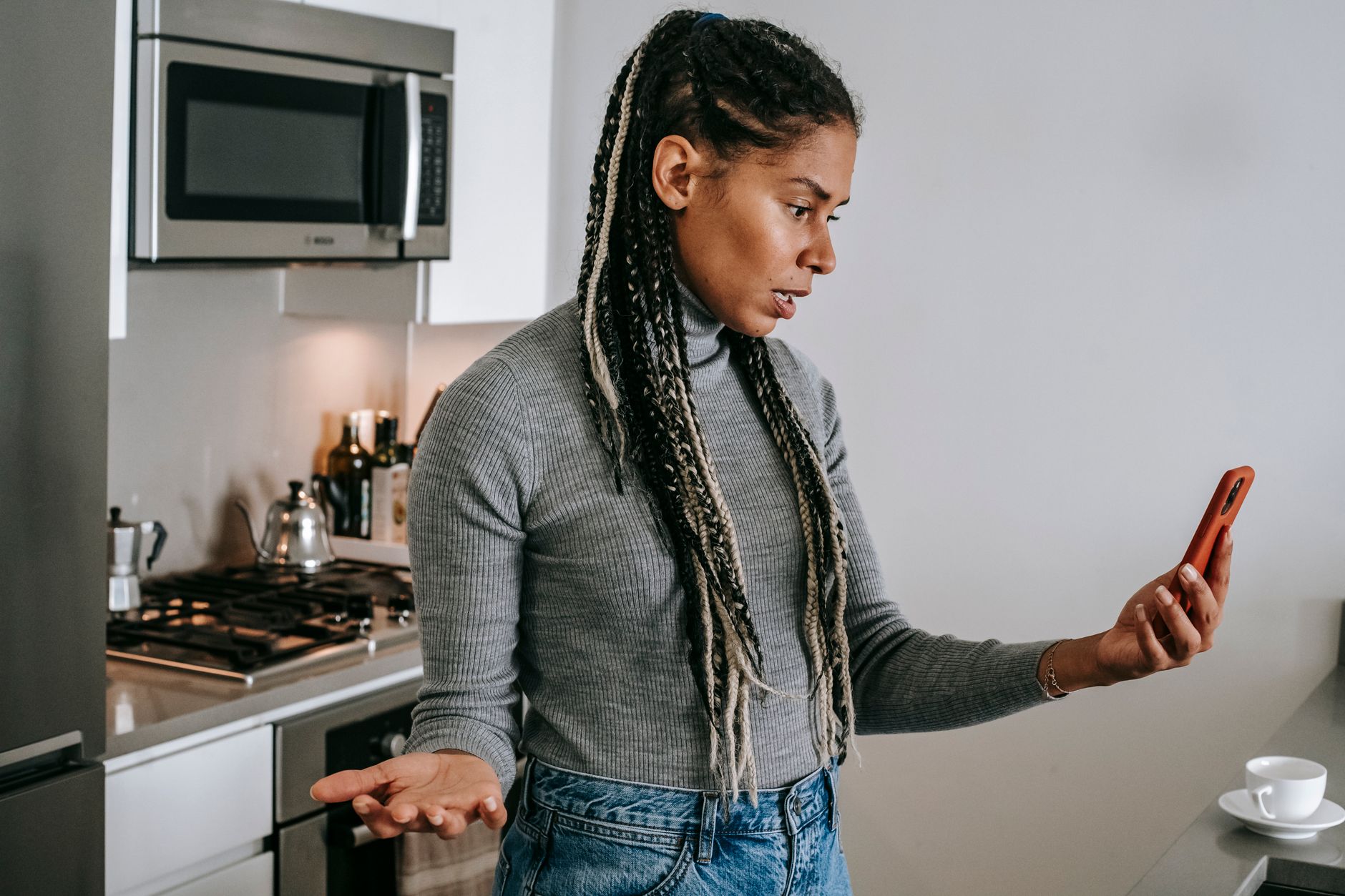
Scammers pose as AI software companies or licensing agents. They send an email, direct message, or PDF that says your content was selected for an AI training license. The offer may promise hundreds or thousands of dollars. To receive payment, you must first pay a processing fee, tax clearance fee, or tool subscription. Some scammers send a fake contract and a link to a fake payment portal. The portal captures your bank login or wallet credentials. This is an advance fee scheme dressed in AI language.
These fake licensing deals often use the names of real companies or mix product names with fake domains. A creator might see a message from a fake Midjourney Licensing Office or OpenAI Creator Fund. The real company may have no such program. The scammer wants urgency. The offer expires in 48 hours. That pressure stops the creator from checking the sender. We covered similar fake software pages in our guide to fake AI tools scams. In that guide, scammers used fake download pages and tool trials to steal money.
Some fake licensing scams ask you to sign a contract that transfers usage rights forever. You think you are granting a limited license. The fine print may claim ownership or allow resale. Creators who sign without review can lose control of their portfolio. Legitimate licensing deals do not require upfront fees to receive payment. Real companies do not ask for your bank password or crypto wallet seed phrase.
- The sender uses a free email address instead of a company domain.
- The offer requires a fee before any payment is released.
- The contract arrives with no named legal entity or physical address.
- The portal requests your banking password or private keys.
How Do Bogus Copyright Claims Target Creators?
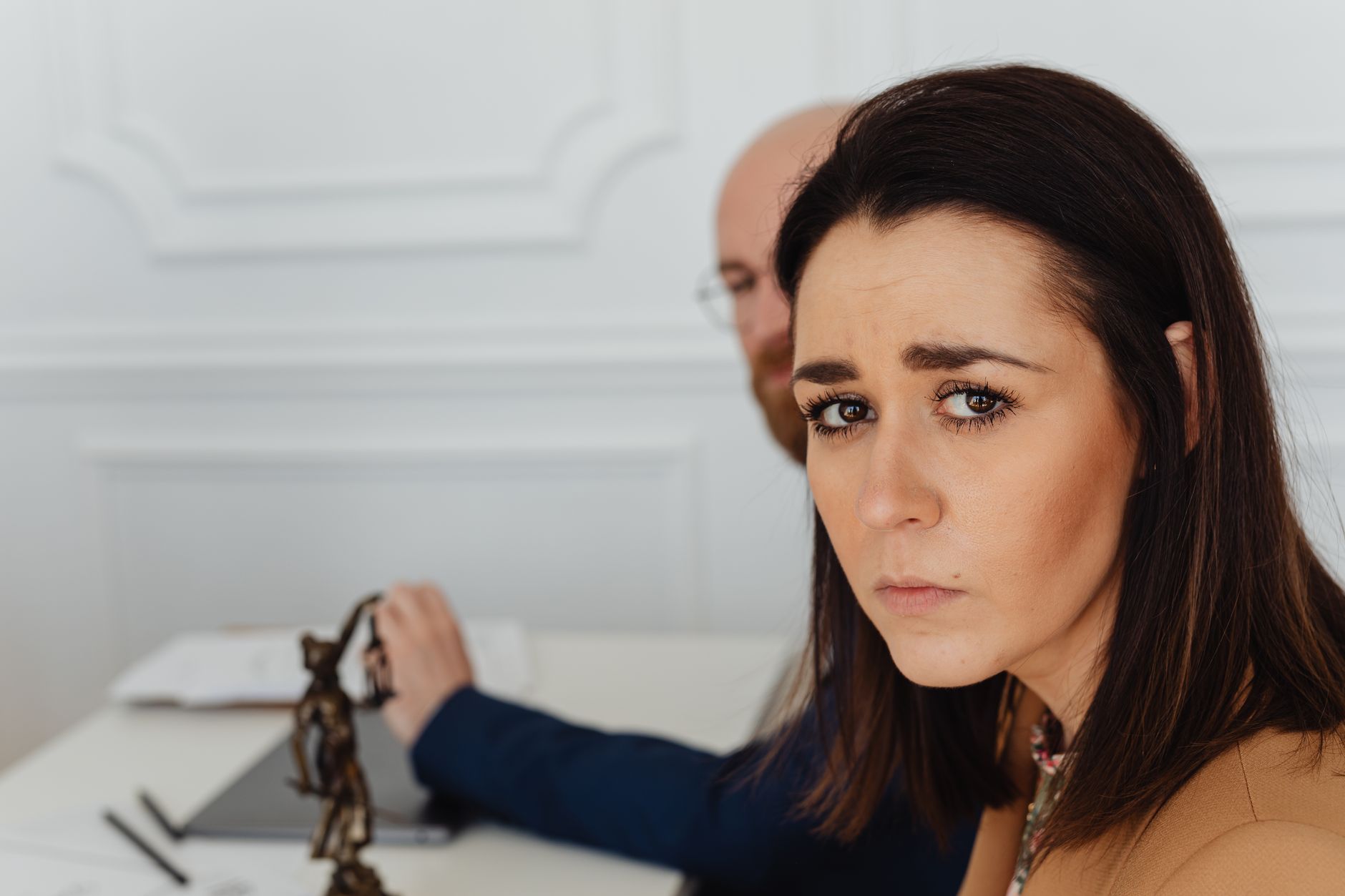
A creator receives an email or platform notification that says they infringed a copyright. The message often uses the name of a real law firm or rights group. It claims the creator used an AI-generated image, a music sample, or a video clip without permission. The sender demands payment now or threatens to file a Digital Millennium Copyright Act takedown. Some messages include a PDF settlement letter with a QR code. The QR code leads to a payment form that looks official. Scammers use fear because a copyright strike can harm a channel or store.
Many bogus claims involve AI-generated art. Scrapers find popular creators and accuse them of using someone else’s AI output. They may show a side-by-side comparison created by the scammer. The claim is weak, but the creator may not know how to respond. The message may ask for a settlement of $300 to $2,000. Paying does not resolve anything. In some cases, the scammer returns with another claim. Real copyright notices identify the specific work, the rights holder, and the legal basis. They do not ask for gift cards or crypto as settlement.
Scammers also impersonate real lawyers or send messages that look like a platform’s copyright team. They may use AI voice calls to sound like a company executive, a tactic seen in deepfake CEO fraud. The goal is to make you act before you verify. If you receive a copyright threat, do not click links in the message. Go directly to the platform’s copyright page or contact the sender through a number you find on the official website. You can report suspicious copyright demands at reportfraud.ftc.gov.
- A demand that you pay by gift cards, crypto, or wire transfer.
- A notice that lacks your full name or the exact work claimed.
- A sender address that is close to but not the official domain.
- A threat to delete your account within hours.
What Are Fraudulent AI Image Marketplaces?
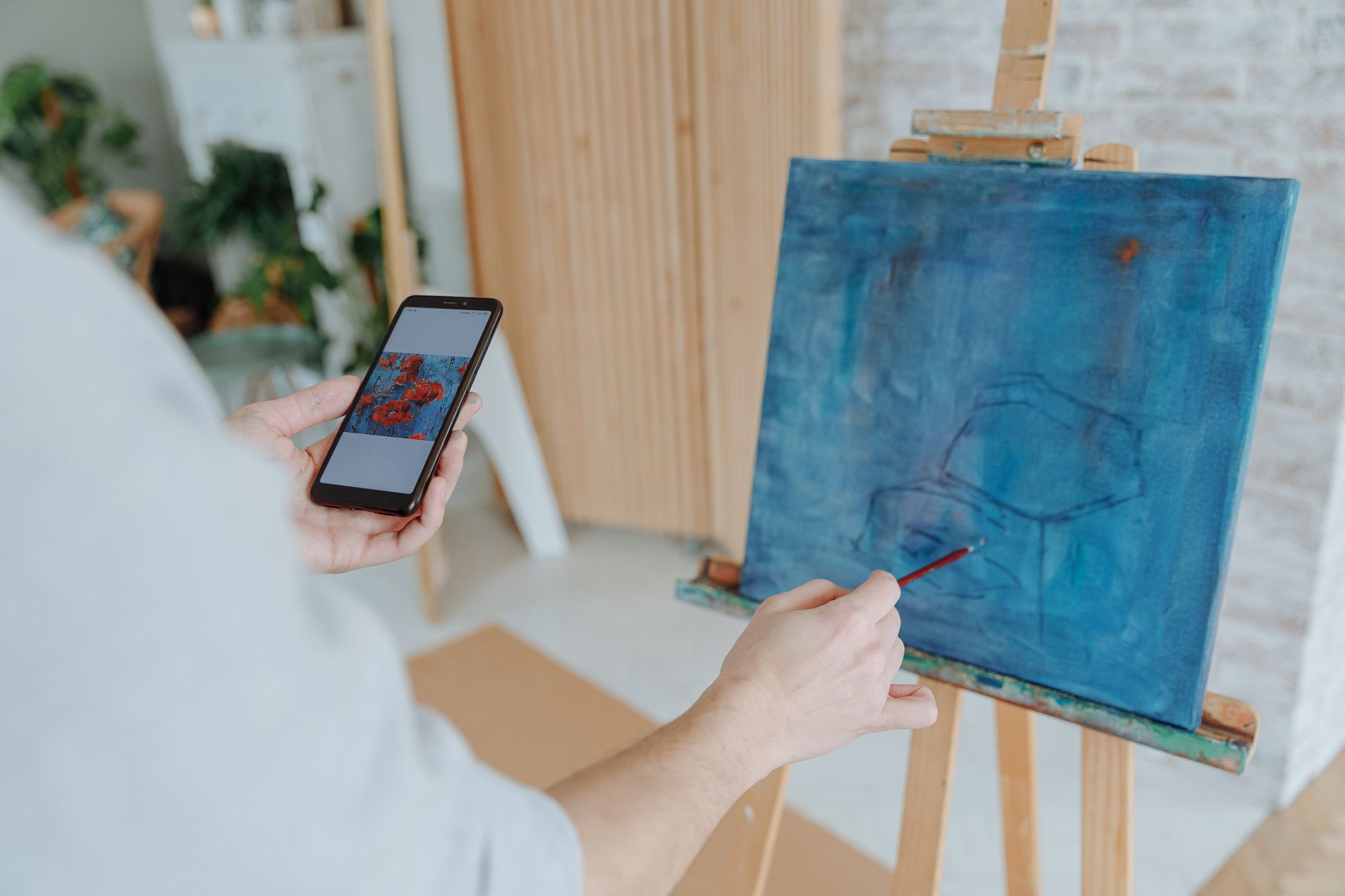
Fraudulent AI image marketplaces mimic legitimate stock photo sites or NFT platforms. They invite creators to upload portfolios, set prices, and earn royalties. The site may show fake dashboards with rising sales and balances. When the creator tries to withdraw earnings, the platform asks for a withdrawal fee, tax deposit, or premium membership. Some sites never existed beyond a polished template. Others use stolen artwork to attract more victims. The scam is an employment-like trap, similar to the fake jobs described in our AI job scam guide.
Some fake marketplaces claim to license AI training data. They ask creators to submit images, captions, and style prompts. The scammer then sells those submissions elsewhere or uses them to train a model without payment. The creator may receive a small test payment to build trust. Then the platform withholds a larger balance. This mirrors the early payout trick used in crypto AI investment scams. In both cases, the victim sees fake returns and cannot withdraw.
Red flags include a site that appeared recently, has no company address, and uses stock photos for team profiles. Check the domain age and search the site name with scam or complaint. True marketplaces like Adobe Stock, Shutterstock, or Getty Images have established policies. They do not ask creators to pay to access their earnings. A new marketplace that promises high royalties and zero competition is a warning sign. Legitimate platforms make money from buyer fees or subscriptions, not from creator withdrawal charges.
- The platform shows a balance but asks for money to release it.
- The site has no terms of service or privacy policy.
- The domain was registered in the last 90 days.
- Search results show no reviews, no company registration, and no physical address.
Who Do These Creator Scams Target Most?
These scams target independent creators, side hustlers, and small studio owners. Freelancers often look for new income sources and may not have a legal team. Scammers find them through social media, portfolio sites, and art communities. A creator who posts about needing work becomes a lead. The scammer sends a direct message with a licensing offer. The offer feels personalized because the scammer saw the creator’s public work. This is a form of social engineering. According to the Better Business Bureau, many advance fee and employment scams start with unsolicited contact on social platforms.
Creators who make AI art or use AI tools are especially exposed. They may be curious about monetizing their prompts or outputs. Scammers exploit that interest. New creators may not know that legitimate AI companies rarely recruit through Instagram or Discord direct messages. Musicians, video editors, and writers face similar schemes with fake sync licenses and bogus takedown notices. Anyone who makes digital content can be a target.
The common victim profile is a person who works alone, responds quickly, and wants to avoid conflict. A fake copyright claim uses that conflict avoidance. A fake licensing deal uses the desire for stable income. A fake marketplace uses the need for a simple sales channel. Scammers know these pressures. They craft messages that feel urgent but solvable if you just pay a small fee. That small fee is the whole scam. The FBI IC3 notes that business email compromise and impersonation attacks often rely on trust and urgency. Creators should slow down and treat every unsolicited offer as unverified.
How Can Creators Verify a Licensing Deal or Marketplace?
Start with the sender. Look at the full email address, not just the display name. A real company uses its own domain, not gmail.com or a misspelled domain. Visit the official website by typing the URL yourself. Do not click links in the message. Search for the program name on the company’s site. If the licensing program does not exist, the message is likely a scam. You can also check the company’s registration with the Better Business Bureau or your state’s business registry. A fast search for the company name plus scam can reveal complaints.
Contact the company through a known channel. Use the phone number or support form on the official site. Do not reply to the suspicious message. Ask whether the licensing offer, copyright notice, or marketplace invitation is real. If the company says no, forward the message to their abuse team. For copyright claims, verify the rights holder. Search the U.S. Copyright Office database or the platform’s official dispute process. Real takedown notices include details you can confirm independently.
Check the payment terms. Legitimate licensing deals do not require payment to receive royalties. Legitimate marketplaces do not charge withdrawal fees disguised as taxes or verification fees. If someone asks for crypto, gift cards, or wire transfer, stop. You can report the attempt to the FBI Internet Crime Complaint Center. Reporting may not recover lost money, but it helps warn other creators.
- Type official URLs directly instead of using links.
- Verify the company’s registration and physical address.
- Ask for contract details that name a real legal entity.
- Search the U.S. Copyright Office database if a claim seems off.
- Report suspicious messages to the platform and to federal agencies.
How Do You Protect Yourself From AI Licensing and Copyright Fraud?
Protect yourself by slowing down. Scammers rely on pressure. Legitimate licensing agents, copyright holders, and marketplaces give you time to review. Use multi-factor authentication on your accounts. Do not reuse passwords across portfolio sites and payment systems. If a fake marketplace captures one password, it should not unlock your email or bank. Keep records of every offer, message, and payment. Screenshot suspicious emails and report them to the platform. You can also file a report at reportfraud.ftc.gov.
Watch for these warning signs. The message says you must act in 24 hours. The job or license requires an upfront fee. The sender uses a free email account. The website has no privacy policy or terms. The payment methods are crypto, gift cards, or wire transfer. The contract uses vague language about ownership. If you see one or more, pause. Verify before you click anything. More tips are available in our fake AI tools scam guide.
Consider using a separate email for licensing inquiries. Keep your personal and banking email private. If a scammer gains access to your art portfolio, they should not also reach your payment apps. Back up your portfolio and keep copies of original files. Some scammers use stolen art to create fake marketplace listings. If your work appears without permission, you can file a takedown through the actual platform. Do not pay a third party to recover your art or earnings. That is often a second scam.
- Unsolicited offers that promise high pay with no application.
- Demands for fees before you receive any money.
- Threats that your account will be closed within hours.
- Websites with no terms, privacy policy, or business address.
- Payment requests via gift cards, crypto, or wire transfer.
Frequently Asked Questions
Are fake AI licensing deals common?
Yes. Scammers use AI buzzwords to make advance fee schemes feel new. The FTC reports that consumers lost billions of dollars to fraud in recent years, and unsolicited licensing offers are a growing part of that. Always verify the company before you respond.
What should I do if I already paid a fake licensing fee?
Contact your bank or payment provider immediately and ask to stop or reverse the transaction. Report the scam to reportfraud.ftc.gov and to the FBI IC3. Change any passwords you shared and watch for follow-up scams.
How can I tell a real copyright claim from a fake one?
A real claim identifies the exact work, the rights holder, and the legal basis. It comes from a verifiable contact and does not demand immediate payment by gift cards or crypto. Check the sender’s domain and compare it with the official platform or law firm site.
Do legitimate AI image marketplaces charge withdrawal fees?
No. Established marketplaces may charge listing fees or commission on sales, but they do not make you pay to withdraw earnings you already earned. A demand for a withdrawal fee, tax deposit, or premium membership is a strong sign of fraud.
Can scammers really use my artwork against me?
Yes. Scammers may steal your portfolio images to build fake listings or accuse you of infringement. If you find your work on a suspicious site, document it and report it to the actual platform. Do not pay anyone to remove it or recover earnings.
Where should I report these creator scams?
File a report with the FTC at reportfraud.ftc.gov, the FBI IC3 at ic3.gov, and the platform where the scam began. You can also submit a complaint to the Better Business Bureau. Reports help agencies track trends and warn other creators.
What Should You Remember?
- Verify the sender through official websites and known contact channels before you respond.
- Never pay upfront for a license, royalty release, or copyright settlement. Legitimate deals do not work that way.
- Check for red flags such as free email domains, urgent deadlines, and crypto or gift card payment demands.
- Use official databases like the U.S. Copyright Office or state business registry to confirm claims.
- Report scams to the FTC and FBI IC3 to help warn other creators.
- Protect your accounts with multi-factor authentication and separate emails for licensing inquiries.
This article is for general information only and does not constitute legal or financial advice. Scam tactics evolve quickly , always verify current threats through official sources such as the FTC, FBI IC3, BBB, or CISA before acting. If you believe you’ve been defrauded, report it promptly and contact your financial institution.